Blogs
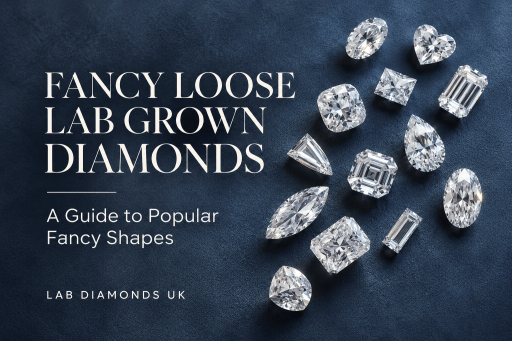
Fancy Loose Lab Grown Diamonds: A Guide to Popular Fancy Shapes
Loose lab grown diamonds are not limited to the traditional round brilliant. Different shapes can change the proportion, silhouette and overall personality of a jewellery design, giving jewellers and designers more freedom to build a piece around the stone itself.
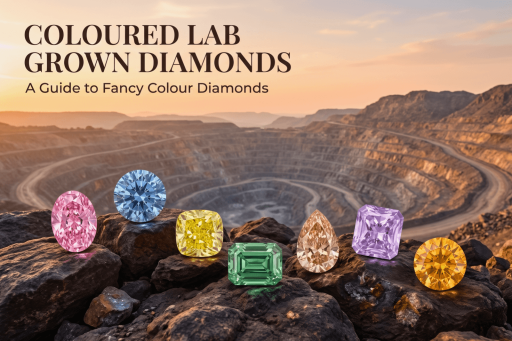
Coloured Lab Grown Diamonds: A Guide to Fancy Colours
Diamonds do not have to be colourless to create impact. Pink, blue, yellow, green and other shades can change the entire character of a jewellery piece, making colour part of the design rather than just a grading detail.
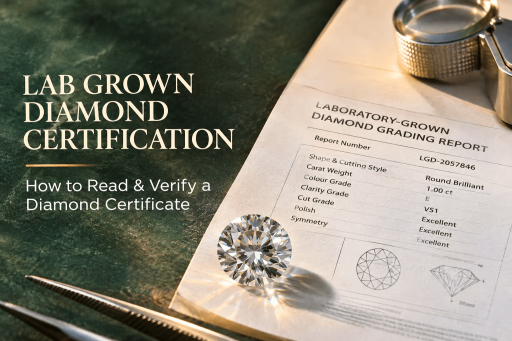
Lab Grown Diamond Certification: How to Read and Verify a Diamond Certificate
Two diamonds can look very similar at first glance, yet the grading report may reveal important differences in how each stone has been assessed. That is where lab grown diamond certification becomes useful: it gives buyers documented information about the specific diamond rather than leaving the decision to appearance or seller description alone.
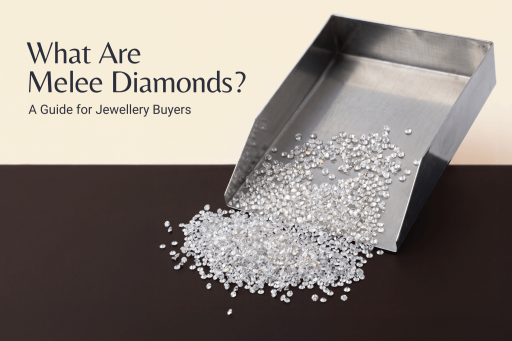
What Are Melee Diamonds? A Guide for Jewellery Buyers
If you have ever looked closely at pavé, halo, tennis or multi-stone jewellery, you have probably seen melee diamonds without realising it. These smaller stones are used to add detail, brilliance and visual continuity around a larger design, but their role goes far beyond decoration.
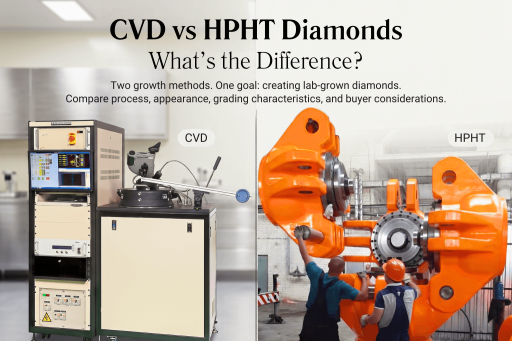
CVD vs HPHT Diamonds: What’s the Difference?
If you are comparing CVD vs HPHT diamonds, the difference is not simply about how the stone was made. Both methods produce lab grown diamonds, but they use different growth environments, which can influence appearance, grading characteristics, availability and pricing.
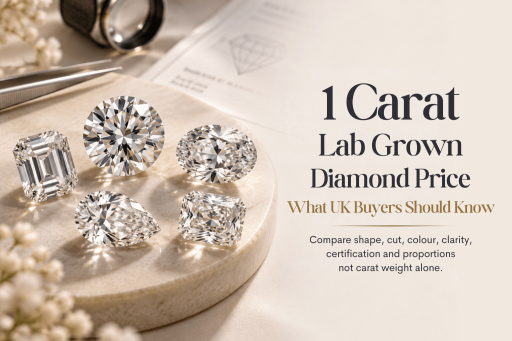
1 Carat Lab Grown Diamond Price: What UK Buyers Should Know
The 1 carat lab grown diamond price can vary more than many buyers expect. Two stones with the same carat weight may be priced differently because of cut, colour, clarity, certification, proportions and overall visual performance.
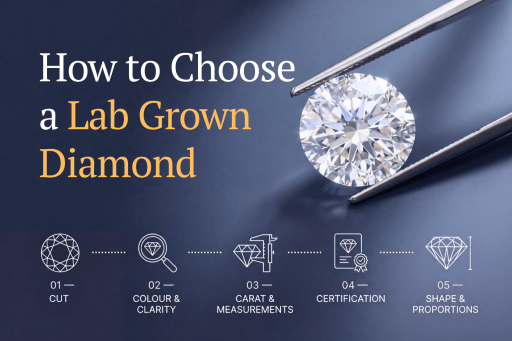
How to Choose a Lab Grown Diamond: A UK Buyer’s Guide
Choosing a lab-grown diamond is about more than finding the right carat weight or an attractive price. A well-chosen stone should balance cut, colour, clarity, proportions, certification and overall visual performance, while also giving you confidence in where and how it has been sourced.